Designing a Native Educational Mobile App
Role
Senior Product Designer
Project Duration
Web Design
Edtech
Team Structure
UI/UX Designer, Developer, Business Analyst, Data Analyst, Product Manager
Client
Creative Imagination
View Full Case Study
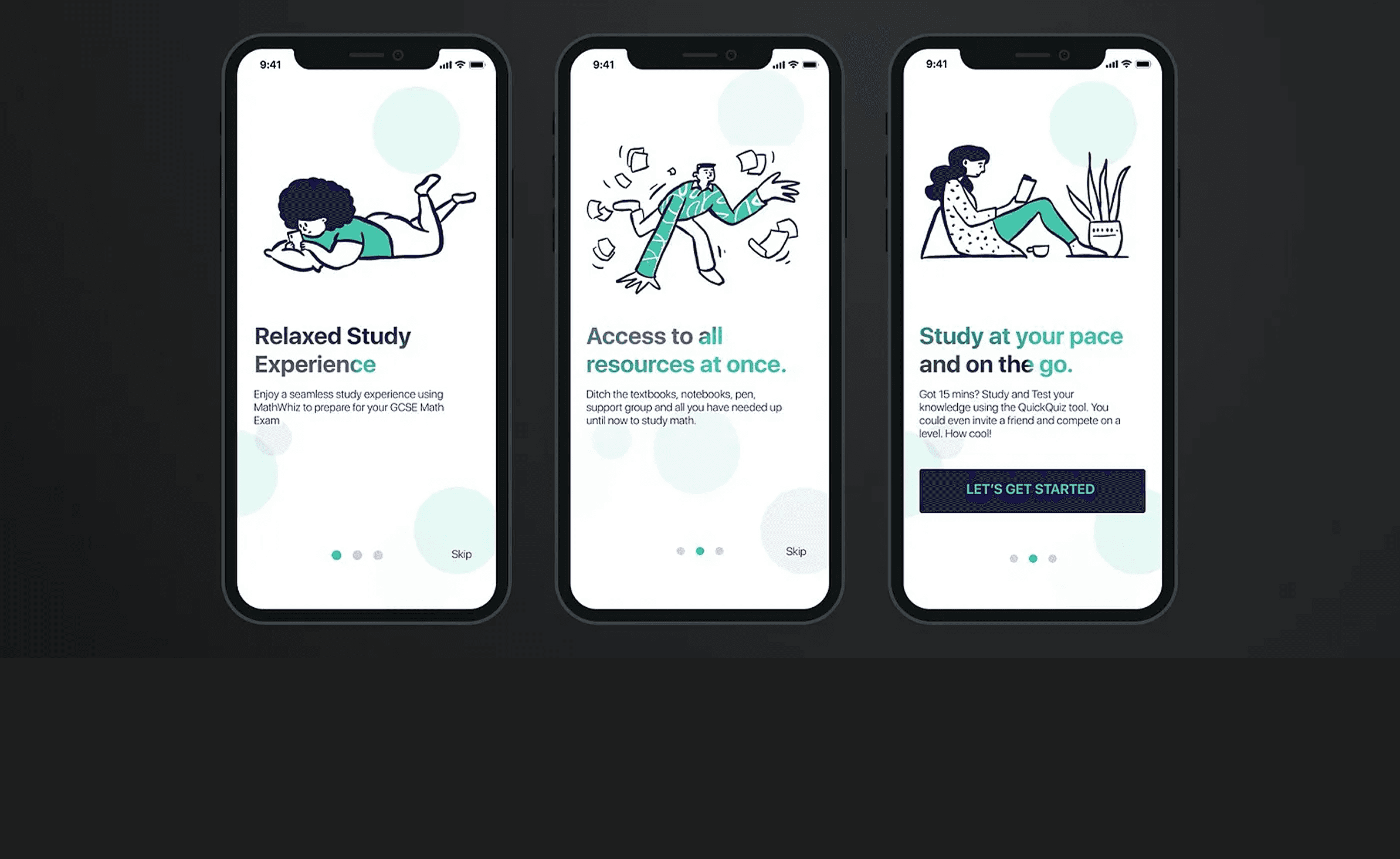
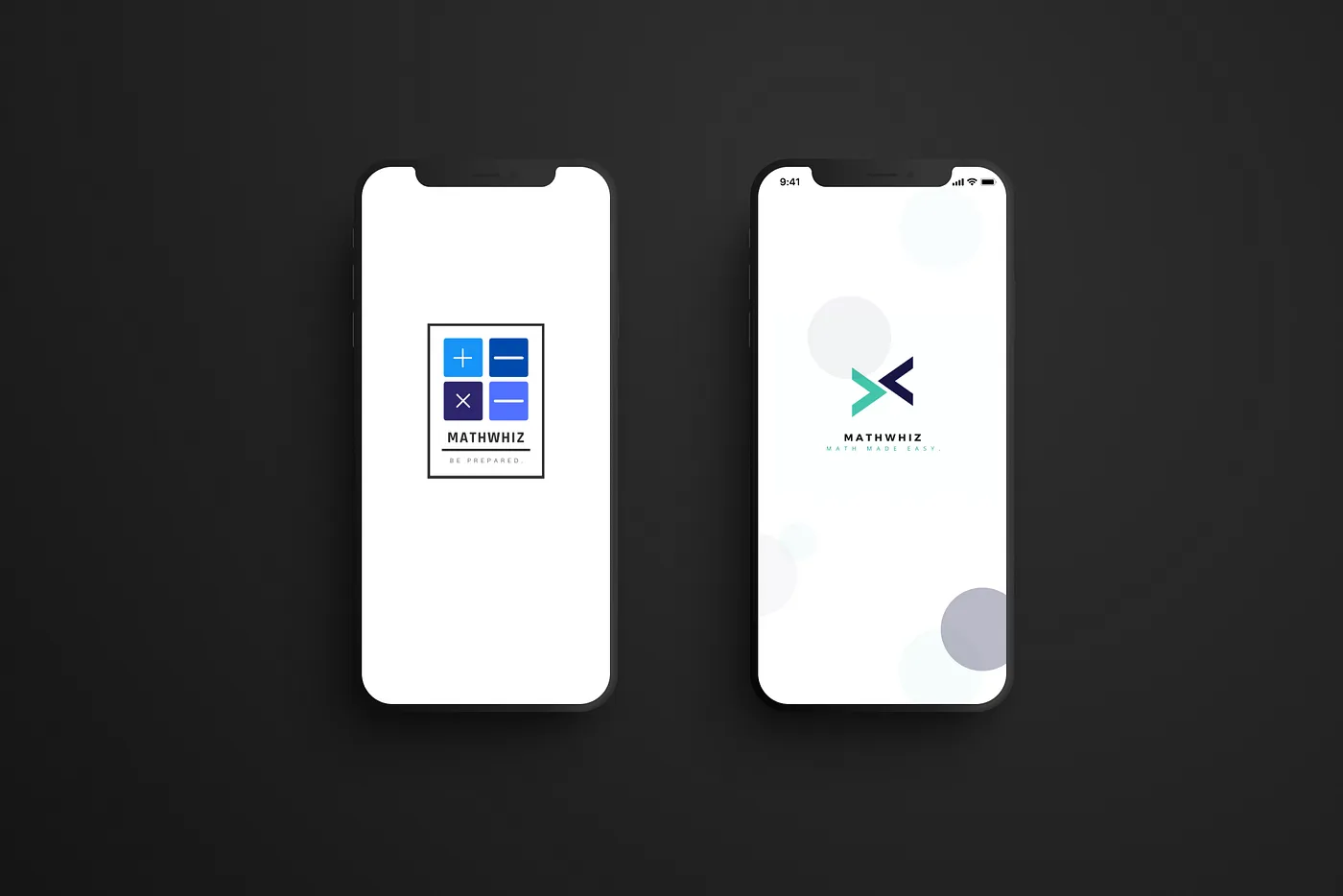
MathWhiz is a native educational mobile app designed to help high school students prepare for their GCSE math exams. The goal was to create a centralised, quiz-based platform that combined engaging learning experiences with effective self-assessment tools. The design process began with qualitative research via interviews with students aged 13 to 18 to uncover frustrations with existing tools, which were often fragmented and uninspiring.
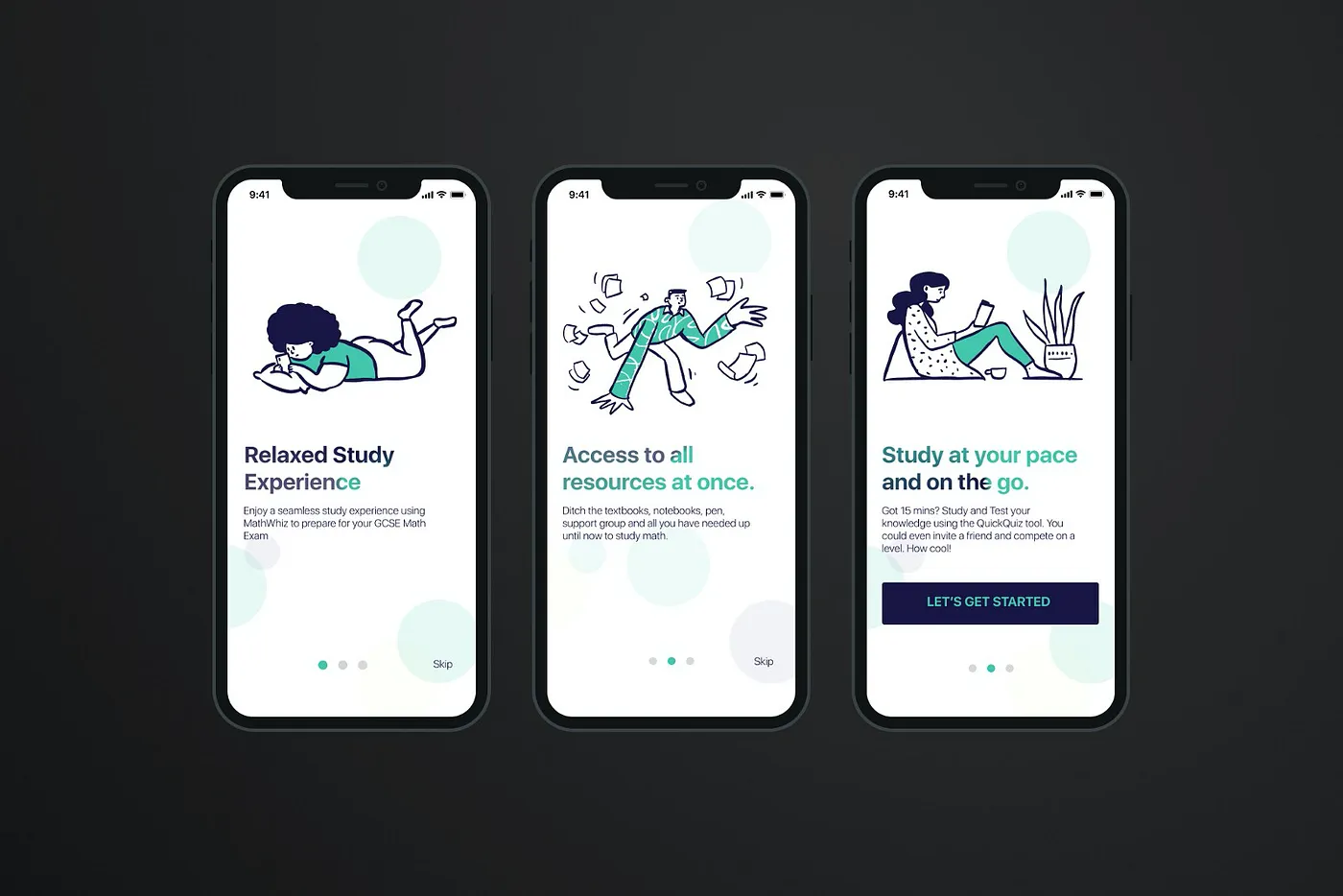
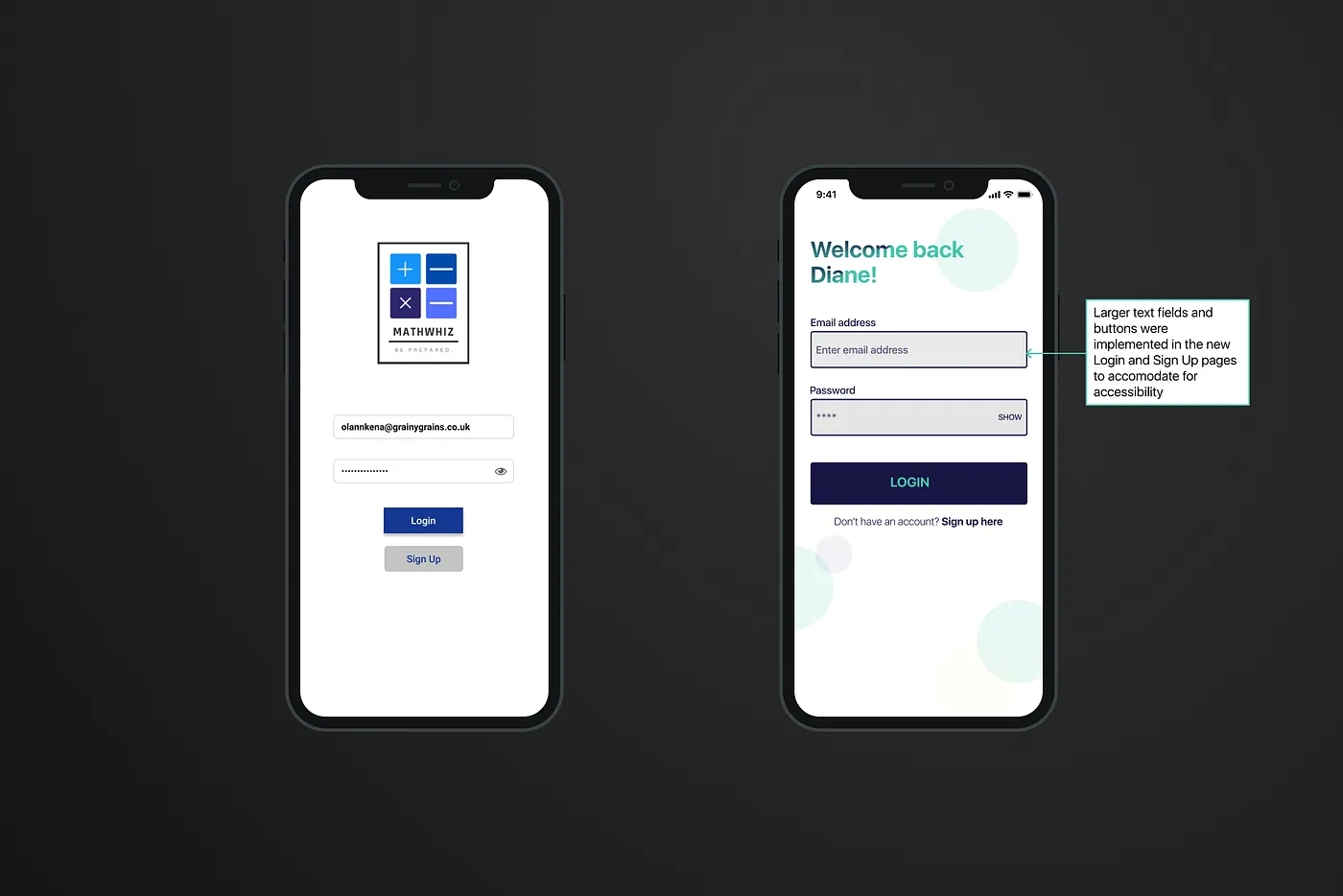
The main challenge was to design an intuitive, visually calming experience that could support both casual practice and deeper learning. Insights from user interviews informed the creation of a key persona and guided rapid ideation through sketching, low-fidelity prototypes, and usability testing. Students emphasised the importance of short quizzes, video explanations, and seamless navigation, all of which were prioritised in the design. The interface underwent multiple iterations based on testing feedback, especially around quiz interactions and onboarding clarity.
The final solution delivered a high-fidelity prototype with a 40% improvement in task success rate during testing, and 80% of participants reported feeling “more confident” using MathWhiz compared to traditional study methods. The prototype also saw a 60% decrease in navigation errors after usability refinements.
To view the full case study, click on the link above.
Designing a Native Educational Mobile App
Role
Senior Product Designer
Project Duration
Web Design
Edtech
Team Structure
UI/UX Designer, Developer, Business Analyst, Data Analyst, Product Manager
Client
Creative Imagination
View Full Case Study
MathWhiz is a native educational mobile app designed to help high school students prepare for their GCSE math exams. The goal was to create a centralised, quiz-based platform that combined engaging learning experiences with effective self-assessment tools. The design process began with qualitative research via interviews with students aged 13 to 18 to uncover frustrations with existing tools, which were often fragmented and uninspiring.
The main challenge was to design an intuitive, visually calming experience that could support both casual practice and deeper learning. Insights from user interviews informed the creation of a key persona and guided rapid ideation through sketching, low-fidelity prototypes, and usability testing. Students emphasised the importance of short quizzes, video explanations, and seamless navigation, all of which were prioritised in the design. The interface underwent multiple iterations based on testing feedback, especially around quiz interactions and onboarding clarity.
The final solution delivered a high-fidelity prototype with a 40% improvement in task success rate during testing, and 80% of participants reported feeling “more confident” using MathWhiz compared to traditional study methods. The prototype also saw a 60% decrease in navigation errors after usability refinements.
To view the full case study, click on the link above.
Designing a Native Educational Mobile App
Role
Senior Product Designer
Project Duration
Web Design
Edtech
Team Structure
UI/UX Designer, Developer, Business Analyst, Data Analyst, Product Manager
Client
Creative Imagination
View Full Case Study
MathWhiz is a native educational mobile app designed to help high school students prepare for their GCSE math exams. The goal was to create a centralised, quiz-based platform that combined engaging learning experiences with effective self-assessment tools. The design process began with qualitative research via interviews with students aged 13 to 18 to uncover frustrations with existing tools, which were often fragmented and uninspiring.
The main challenge was to design an intuitive, visually calming experience that could support both casual practice and deeper learning. Insights from user interviews informed the creation of a key persona and guided rapid ideation through sketching, low-fidelity prototypes, and usability testing. Students emphasised the importance of short quizzes, video explanations, and seamless navigation, all of which were prioritised in the design. The interface underwent multiple iterations based on testing feedback, especially around quiz interactions and onboarding clarity.
The final solution delivered a high-fidelity prototype with a 40% improvement in task success rate during testing, and 80% of participants reported feeling “more confident” using MathWhiz compared to traditional study methods. The prototype also saw a 60% decrease in navigation errors after usability refinements.
To view the full case study, click on the link above.